

Learn Forex Trading Step by Step
Forex trading can be an exciting and potentially lucrative venture, but it requires a solid understanding of the markets, strategies, and tools involved. If you’re looking to embark on this journey, you’re in the right place. In this guide, we’ll take you through the fundamental concepts of forex trading, offering a step-by-step approach to help you learn effectively. Along the way, we’ll also highlight some important resources, such as the learn forex trading step by step Best Vietnamese Brokers, which can assist you in your trading journey.
Understanding the Forex Market
The foreign exchange market, or forex market, is the largest financial market in the world. Unlike other markets, it operates 24 hours a day, five days a week, and allows traders to buy and sell currencies. The primary goal in forex trading is to profit from fluctuations in currency exchange rates.
Before diving into the trading aspects, it’s essential to grasp some key concepts:
- Currency Pairs: Forex trading involves trading currencies in pairs, such as EUR/USD or GBP/JPY. The first currency in the pair is the base currency, while the second is the quote currency.
- Bid and Ask Price: The bid price is the price at which you can sell the currency pair, while the ask price is the price at which you can buy it. The difference between the two is called the spread.
- Pips: A pip is the smallest price movement in a currency pair. Understanding pips is crucial for calculating your profits and losses.
Step 1: Educating Yourself about Forex Trading
Education is paramount in forex trading. While it’s possible to learn through experience, it’s advisable to build a solid foundation through research and study. Here are some recommended steps:
- Read Books and Online Articles: There are numerous resources available online and in print about forex trading. Some popular books include “Currency Trading for Dummies” and “Trading in the Zone.”
- Take Online Courses: Many platforms offer comprehensive courses in forex trading. Look for courses that cover both technical and fundamental analysis.
- Join Forex Trading Communities: Engaging with other traders can provide valuable insights and different perspectives. Consider joining forums, social media groups, and webinars.
Step 2: Choose Your Trading Style
Your trading style will greatly influence your approach to the forex market. Here are some common trading styles you might consider:
- Day Trading: This style involves making multiple trades throughout the day and closing all positions before the market closes.
- Swing Trading: Swing traders hold positions for several days to weeks, aiming to profit from short-term market movements.
- Scalping: Scalping involves making a large number of trades throughout the day, aiming for small profits on each trade.
Step 3: Select a Reliable Forex Broker
Choosing the right broker is crucial to your trading success. Consider the following factors when selecting a forex broker:
- Regulation: Ensure that the broker is regulated by a reputable authority, providing you with security and trust.
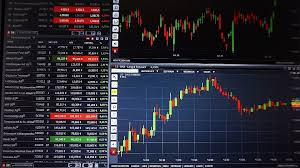
- Trading Platform: Look for a user-friendly platform that offers a comprehensive range of tools and resources.
- Fees and Spreads: Compare the fees and spreads among different brokers to find the most cost-effective option.
Step 4: Develop a Trading Plan
A structured trading plan is essential for maintaining discipline and consistency. Your plan should include:
- Risk Management: Determine how much capital you are willing to risk on each trade and set stop-loss orders to limit losses.
- Entry and Exit Strategies: Define criteria for entering and exiting trades based on your analysis.
- Performance Review: Regularly review your trades to evaluate what works and what doesn’t.
Step 5: Start Trading with a Demo Account
Before investing real money, take advantage of demo accounts offered by most brokers. A demo account allows you to practice trading without financial risk, helping you to familiarize yourself with the trading platform and develop your skills.
Use this time to test different strategies and refine your trading plan. A demo account is a valuable tool for understanding how the forex market operates.
Step 6: Start Trading with Real Money
Once you feel confident with your skills and trading plan, you can transition to trading with real money. Start with a small investment to mitigate risk as you adjust to the psychological aspects of trading with real capital. Keep these points in mind:
- Stay Disciplined: Stick to your trading plan and avoid emotional decisions.
- Manage Your Emotions: Trading can be stressful, especially during losses. Develop techniques to manage stress and stay calm.
- Keep Learning: The forex market is dynamic, and continuous education is crucial for long-term success.
Step 7: Monitor Your Performance and Adapt
Regularly assess your trading performance to identify strengths and weaknesses. Keeping a trading journal can be an effective way to track your trades and the decisions behind them.
Based on your analysis, be willing to adapt your strategy as necessary. The ability to pivot and learn from both successes and failures is key in the forex market.
Conclusion
Learning forex trading step by step requires dedication, education, and a sound strategy. By following the outlined steps and continuously improving your skills, you can navigate the forex market more effectively. Remember, patience and persistence are essential virtues in trading. Stay informed, adhere to your plan, and, most importantly, enjoy the journey of learning!