
Cover image
Met zijn creatieve geest weet Bas groepen in beweging te krijgen. Hij maakt het liefst gebruik van niet-alledaagse methoden om medewerkers te inspireren. Bas houdt de nieuwste technieken in de gaten, naast Agile, Zelforganisatie zijn er zoveel meer interessante methodes https://voltage.bet/. Houd zijn blogs in de gaten om op de hoogte te blijven van de laatste ontwikkelingen.
A typical PI includes four or five development iterations followed by one innovation and planning iteration (see below). During the PI, teams work in two-week cycles called system increments, following Scrum or Kanban methods.
ART promotes productivity and efficiency by enabling teams to work in a synchronized manner. With aligned goals and a shared understanding of priorities, teams can focus on delivering value, minimizing time wasted on conflicting objectives or duplicated efforts.
Voor het inrichten van een ART breng je de waardestroom in kaart. Je zorgt ervoor dat in een ART alle mensen zitten die gezamenlijk waarde kunnen opleveren voor de klant. Je definieert de specifieke Team rollen en ART rollen waarna je iedereen opleidt en live kunt gaan met je eerste PI planning.
ART helps streamline software development processes by providing a structured framework and predictable delivery cadence. The fixed timeboxes of a Program Increment (PI) ensure that teams have a clear start and end date for their work, enabling better planning and resource allocation.
Classic artwork
One such fantastic painting is the Musicians, which shows four boys wearing classical costumes in a musical arrangement. The independent sketches of four figures make it a fascinating piece of work. This painting is referred to as one of the most complex and ambitious compositions of Caravaggio to date.
As the founder of Neo-Impressionism and master of Pointillism, Georges Seurat pushed paint’s optical possibilities to scientific heights in this epic Parisian park scene. Its mosaic-like dots manipulate color theory and retinal bias to sparkle against the River Seine’s shimmery gray curves. Parisians from poets to nursemaids to dogs promenade in studied spontaneity.

One such fantastic painting is the Musicians, which shows four boys wearing classical costumes in a musical arrangement. The independent sketches of four figures make it a fascinating piece of work. This painting is referred to as one of the most complex and ambitious compositions of Caravaggio to date.
As the founder of Neo-Impressionism and master of Pointillism, Georges Seurat pushed paint’s optical possibilities to scientific heights in this epic Parisian park scene. Its mosaic-like dots manipulate color theory and retinal bias to sparkle against the River Seine’s shimmery gray curves. Parisians from poets to nursemaids to dogs promenade in studied spontaneity.
The painting shows a beautiful and flourishing garden in the Renaissance Palace and revolves around the purity of Mary. The painting shows how Archangel Gabriel kneels before the Virgin Mary, offering a lily, and Mary responds from behind a lectern in a dignified way.
One of the most significant works produced during the Northern Renaissance, this composition is believed to be one of the first paintings executed in oils. A full-length double portrait, it reputedly portrays an Italian merchant and a woman who may or may not be his bride. In 1934, the celebrated art historian Erwin Panofsky proposed that the painting is actually a wedding contract. What can be reliably said is that the piece is one of the first depictions of an interior using orthogonal perspective to create a sense of space that seems contiguous with the viewer’s own; it feels like a painting you could step into.
Cinematic artwork
Additionally, we will examine notable artists who have successfully integrated cinematic elements into their paintings, including Edward Hopper and David Hockney, as well as contemporary artists who continue this tradition. By analyzing their works, we can see firsthand how film has shaped their artistic approach and enriched their visual storytelling.
Cinema has often been inspired by paintings, which is unsurprising, considering both art forms are visual manifestations and manipulation of life. Both are starkly distinct and, at times, conflicting mediums. However, despite differences, filmmaking has been considered painterly and proven to be so countless times now by the incorporation of paintings in cinematic frames. Some of these incorporations are intentional, while some may be accidental, revealed only in retrospective analyses. Nevertheless, the parallels between the two forms remain intriguing in both cases.
Emerging trends at the intersection of film and painting suggest a continued evolution of these interdisciplinary practices. One significant trend is the growing use of augmented reality (AR) and virtual reality (VR) in art. These technologies allow artists to create immersive environments that combine painted elements with interactive digital components, offering viewers a more participatory role in the narrative. This trend is exemplified by artists like Olafur Eliasson, who uses AR to extend the boundaries of traditional sculpture and painting.
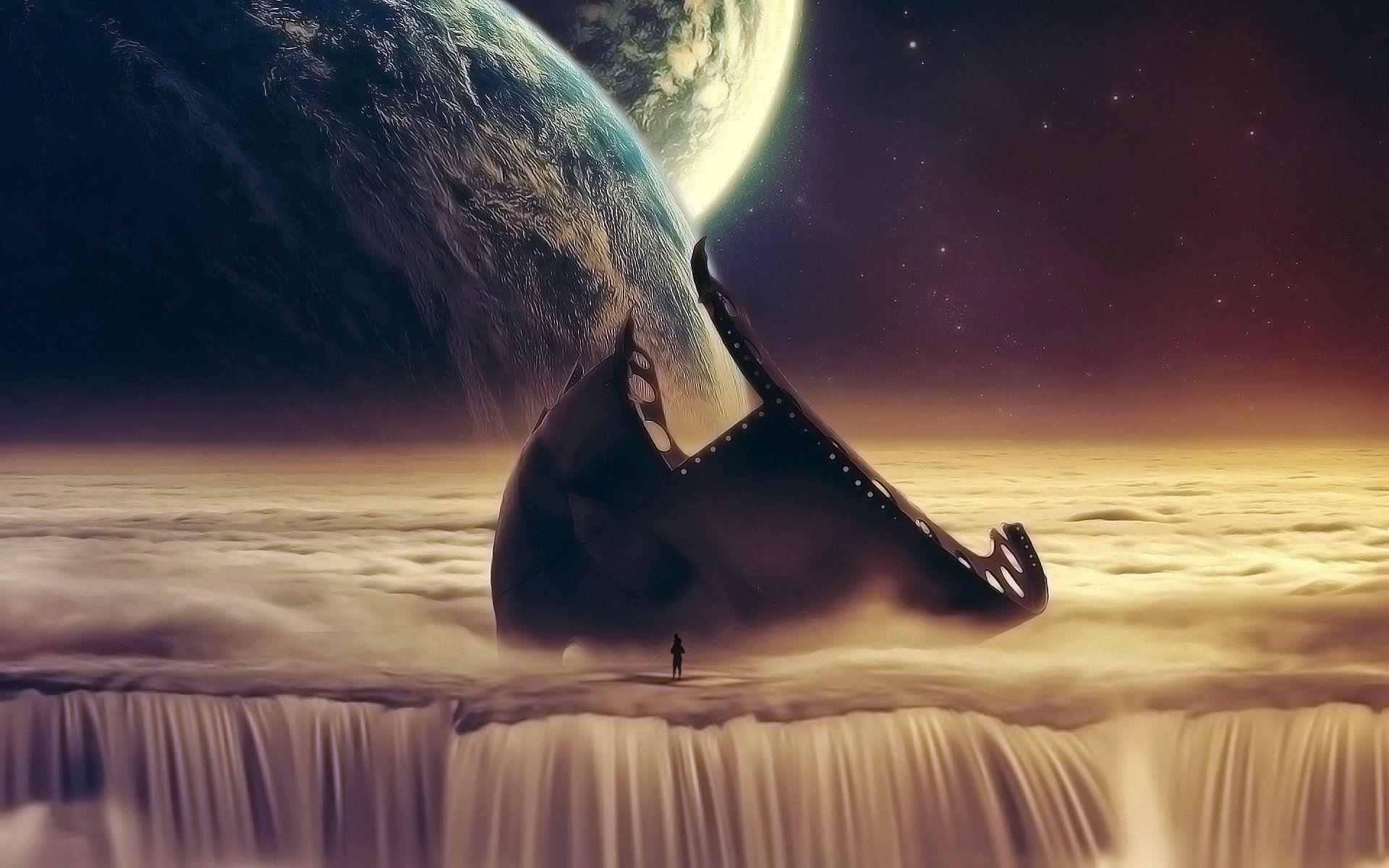
Additionally, we will examine notable artists who have successfully integrated cinematic elements into their paintings, including Edward Hopper and David Hockney, as well as contemporary artists who continue this tradition. By analyzing their works, we can see firsthand how film has shaped their artistic approach and enriched their visual storytelling.
Cinema has often been inspired by paintings, which is unsurprising, considering both art forms are visual manifestations and manipulation of life. Both are starkly distinct and, at times, conflicting mediums. However, despite differences, filmmaking has been considered painterly and proven to be so countless times now by the incorporation of paintings in cinematic frames. Some of these incorporations are intentional, while some may be accidental, revealed only in retrospective analyses. Nevertheless, the parallels between the two forms remain intriguing in both cases.
Emerging trends at the intersection of film and painting suggest a continued evolution of these interdisciplinary practices. One significant trend is the growing use of augmented reality (AR) and virtual reality (VR) in art. These technologies allow artists to create immersive environments that combine painted elements with interactive digital components, offering viewers a more participatory role in the narrative. This trend is exemplified by artists like Olafur Eliasson, who uses AR to extend the boundaries of traditional sculpture and painting.